





Skip to content

Distribution equipment

Tech learning and references

Motors, drives, conveyors, sensors, and wiring for people who keep a distribution center running. The scenarios below are paraphrased from public manufacturer documents. Lock out before a hand goes in the machine. The nameplate, the drawing, and the manual for that unit govern the work.

01 · Motors

Gearmotors on the conveyor

A distribution conveyor is usually a motor, a reducer, and a pulley or sprocket. Nameplate horsepower is the thermal rating. Output speed is motor speed divided by the gear ratio. Torque rises as speed falls, until the reducer or the belt becomes the limit.

  • Shaft height, frame, and voltage have to match the installed unit before a motor is swapped.
  • SEW’s own malfunction tables start a hot reducer with oil level, oil age, contamination, ambient heat, and a blocked fan intake. A steady knock or grinding noise is a stop, not a top-off.
  • A drive that trips on deceleration is often regeneration into the DC bus. Rockwell’s published action on a PowerFlex 525 F005 is a longer decel or a dynamic brake, after the incoming line is checked.
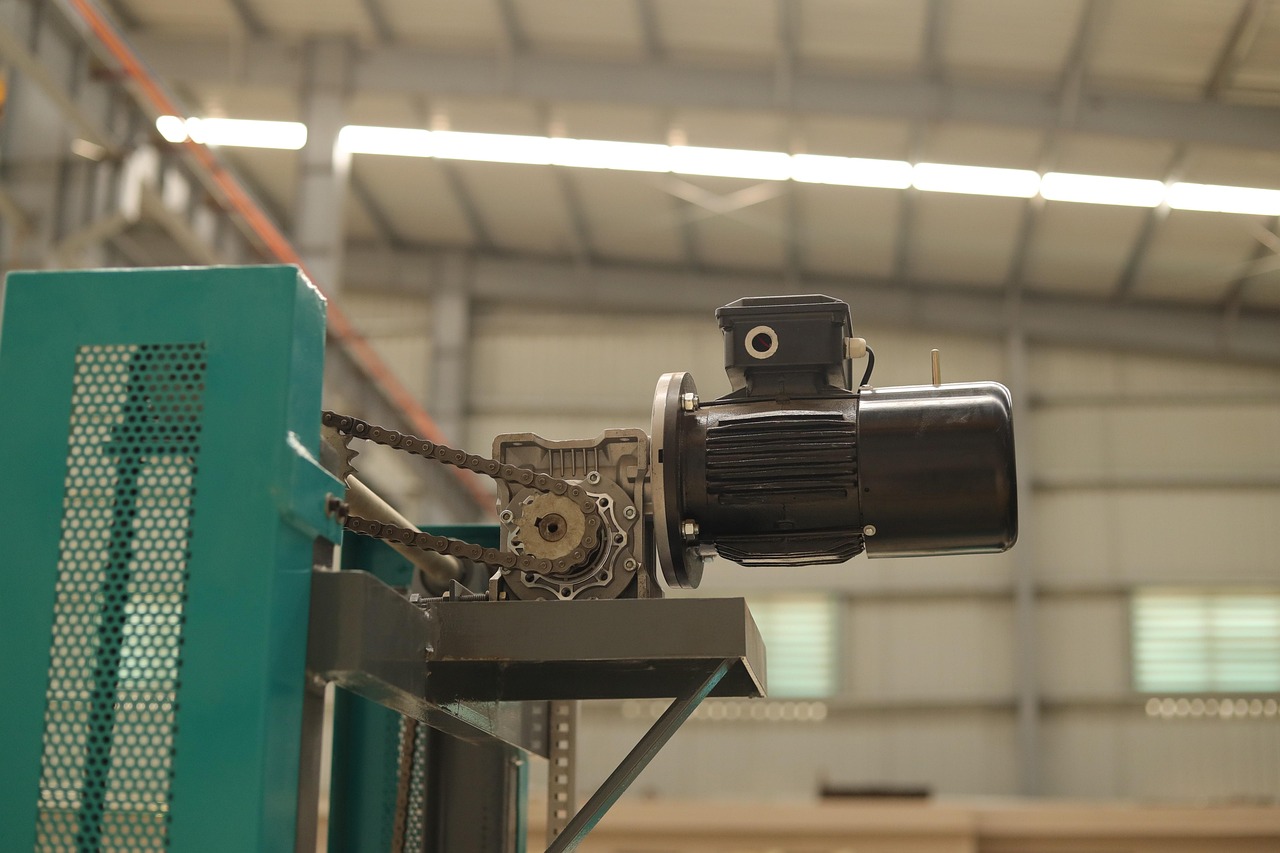
An industrial electric motor and gearbox
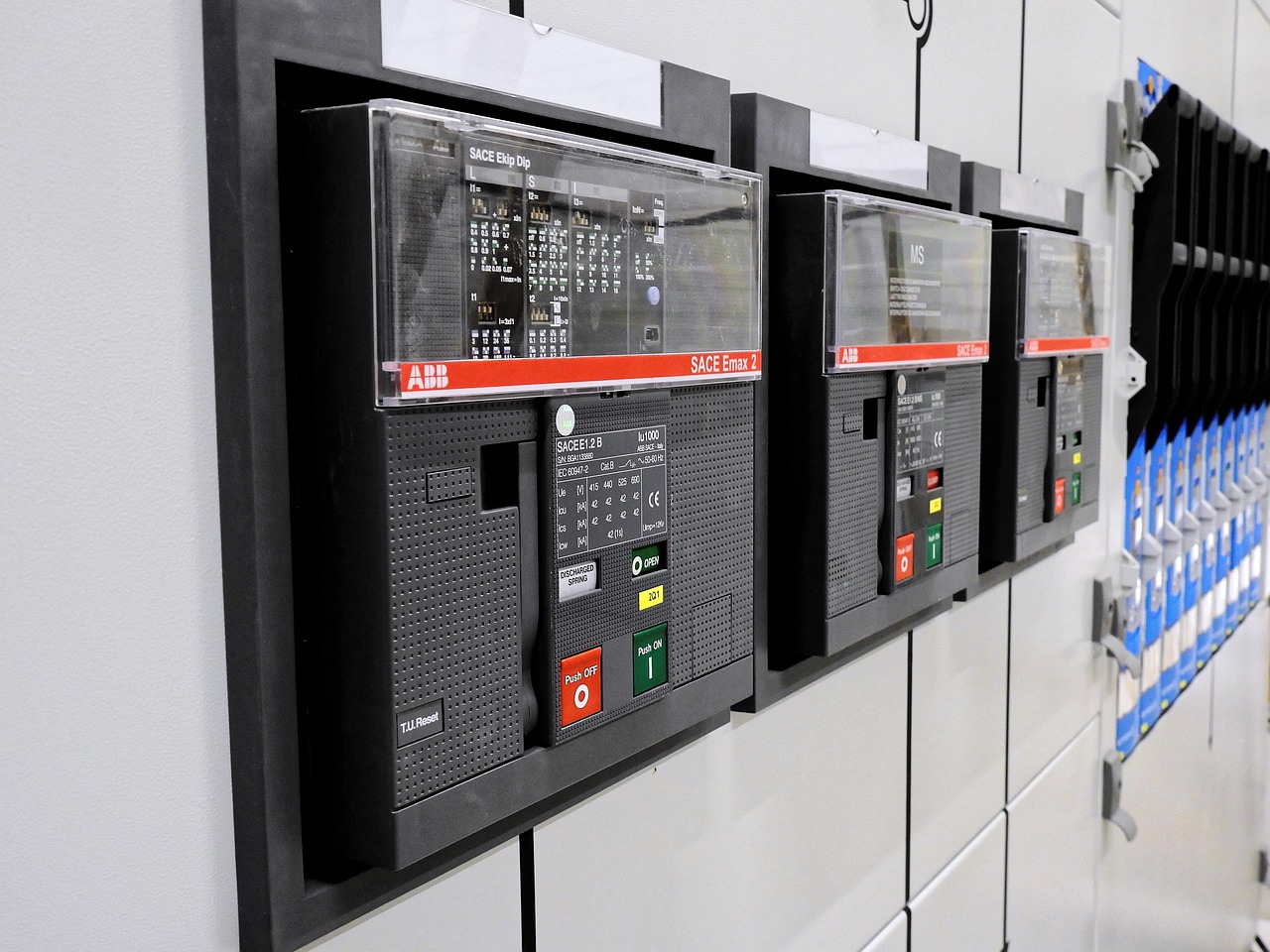
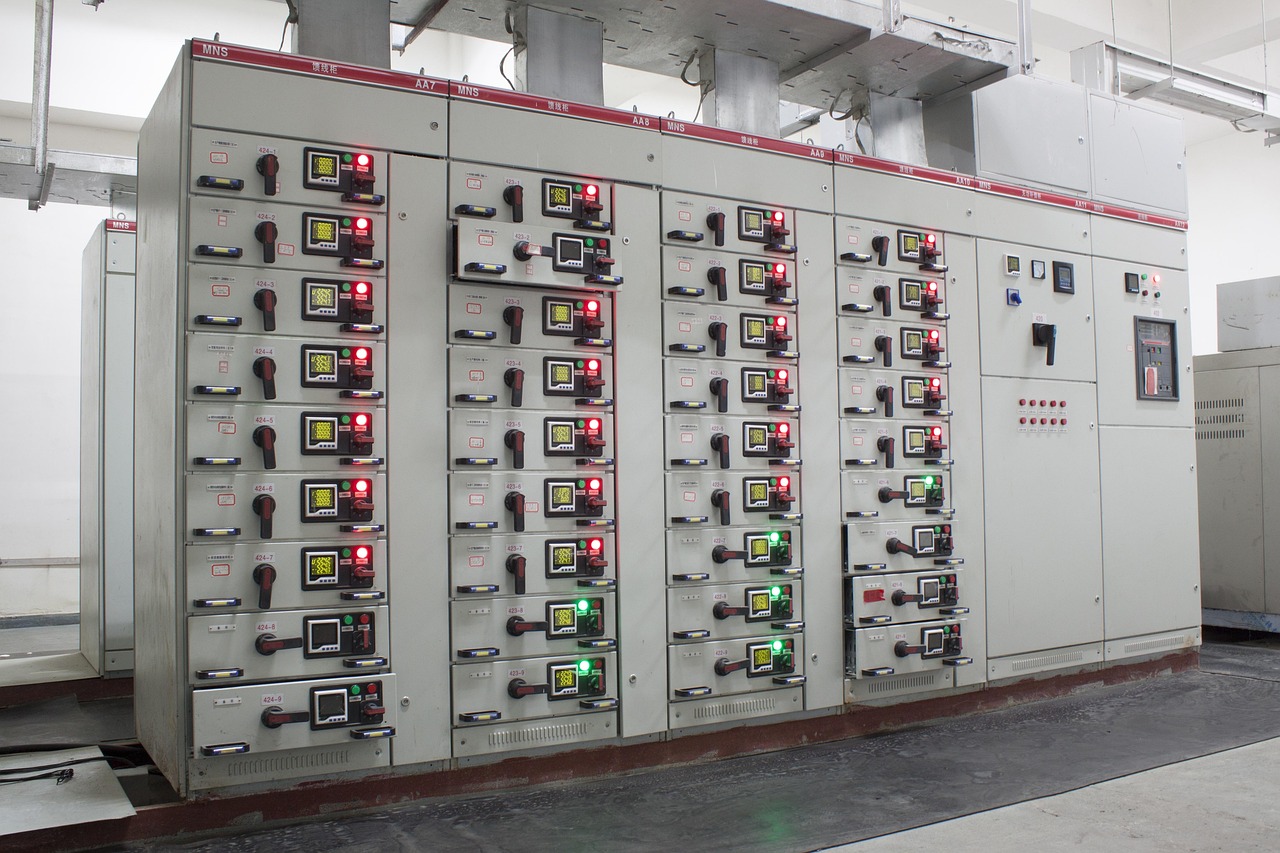
Circuit breakers in an industrial switchgear cabinet

02 · Electrical

The cabinet beside the line

Conveyor zones are commonly 480-volt, three-phase feeds into a drive, with 24-volt or 120-volt control for photoeyes, solenoids, and the safety circuit. Read the print for that zone before replacing a device. A photoeye that fails only as the lens films over is an optics problem. A drive fault on decel is a power problem. They are not the same work order.

  • PowerFlex 525 F006, stalled, points at accel time, load, and current limit. F007 points at motor overload current and boost. F008 points at the heatsink, the ambient, and the fan.
  • F003 and F004 are incoming power: low line, a missing phase under load, or an input fuse. Changing a motor parameter does not fix a blown fuse.
  • Three-phase power, in kilowatts, is voltage times current times power factor times 1.732, divided by 1,000. That is a check against the meter. It is not a substitute for the drive’s rated current.

03 · Conveyors

Speed, pitch, and the carton

Belt speed in feet per minute is pi times pulley diameter in inches times pulley revolutions per minute, divided by 12. Cartons per hour follow from that speed and the center-to-center pitch, if the belt is full and nothing is slipping.

  • Hytrol’s tracking notes start with a square, level bed. Measure the diagonals. Rollers that are not perpendicular to travel steer the belt.
  • A walk that happens once per revolution is the lace or the cut. A hunt that is not locked to the splice can be camber in the belt.
  • Tension only until the heaviest load does not slip. Tracking moves are small, then the belt is given several revolutions to answer.
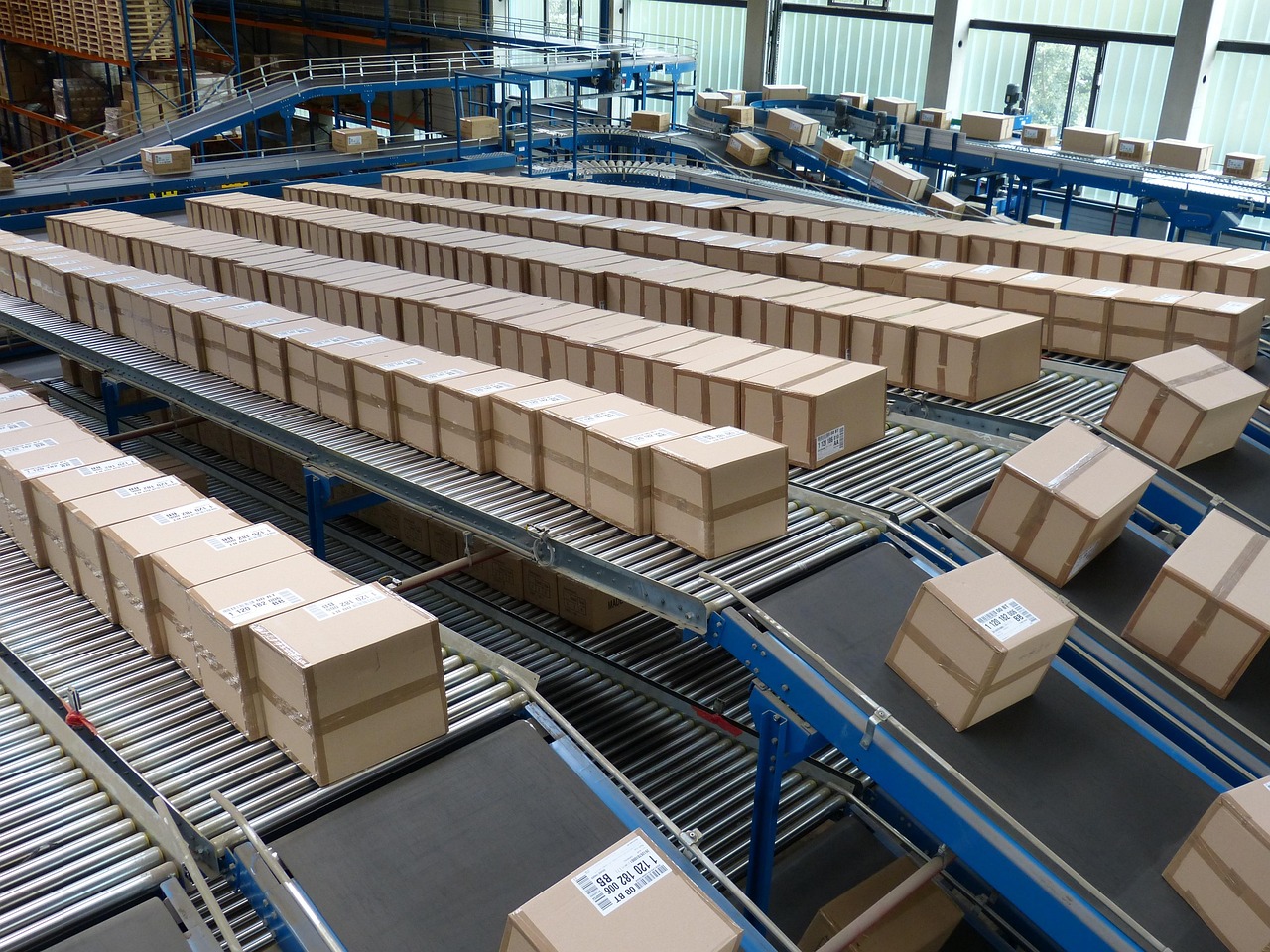
Conveyor lines moving cartons through a warehouse

04 · Sensors

Eyes, reflectors, and a dirty lens

A distribution zone usually decides “carton present” with a photoeye. When that signal gets noisy, the upstream zone keeps feeding a belt that has already stopped, or it holds product that is gone. The first question is whether the optics changed, not whether the drive failed.

  • SICK’s photoelectric documentation describes threshold adaptation for a front screen or reflector that dirties gradually. Time-based adaptation is the setting they recommend as the default.
  • After a clean, a realignment, or a replacement, teach the eye again so the received light is a fresh 100 percent reference.
  • A guarding light curtain is not a tote eye. Alignment, blanking, and a scratched front screen on a safety device follow that device’s manual, not the zone-eye teach.
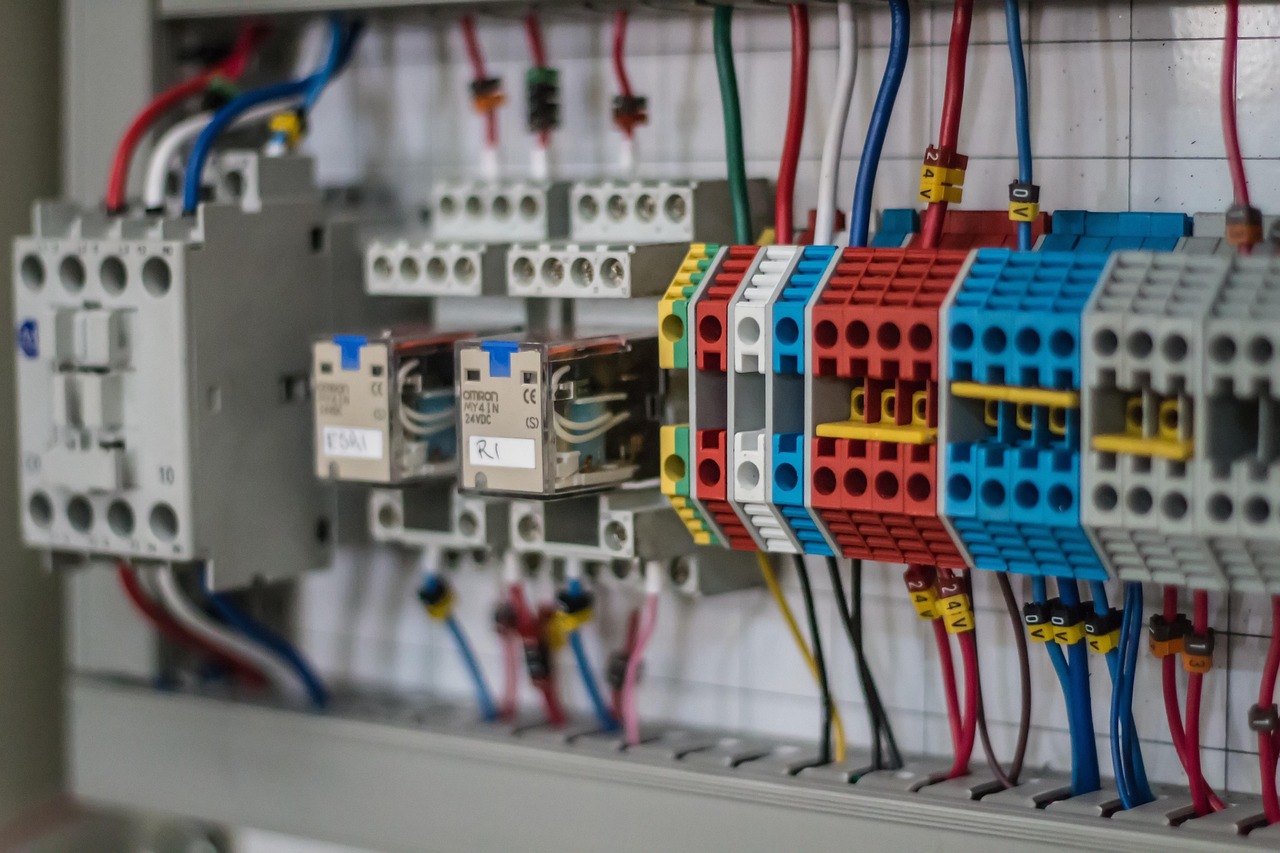
Color-coded terminal blocks and relays in a control panel
The eye, the reflector, and the input on the drawing are three different checks.

05 · Wiring

Copper reference, not a code ruling

Circular mils below are standard copper conductor sizes. The ampere column is a common 75°C copper reference used for orientation. Insulation, ambient temperature, bundling, and the authority having jurisdiction change the allowed current. Do not size a feeder from this table alone. A 24-volt MDR card and a 480-volt drive are not interchangeable landings. Read the print before a wire moves.

AWGCircular mils75°C copper, typical
144,11015 A
126,53020 A
1010,38030 A
816,51050 A
626,24065 A
441,74085 A
266,360115 A
1/0105,600150 A
2/0133,100175 A
4/0211,600230 A

06 · Scenarios

What the manufacturer says to check first

Thirteen floor situations, paraphrased from public Rockwell, SEW-EURODRIVE, Hytrol, Itoh Denki, and SICK documents. They are a way to start the conversation. They are not a procedure for your serial number, and they are not a substitute for lockout.

Drives

The decline zone faults on the stop

A PowerFlex 525 on a decline or a hard stop shows F005, DC bus overvoltage. The belt was moving. The motor may be regenerating into the drive.

  • Look at the incoming line for high voltage or a transient before blaming the motor.
  • Rockwell’s published action for regeneration is to extend the decel time or fit the dynamic brake option.
  • Write the commanded speed and the bus behavior at the moment it asserts, so the next shift is not guessing.
Rockwell Automation, PowerFlex 525 Quick Start, publication 520-QS001

Drives

The merge will not come up to speed

The drive shows F006, motor stalled. It cannot finish the accel, and the current sits at the limit while the belt is loaded.

  • Increase accel time, or lighten the load, so output current does not stay above the current-limit setting.
  • Check for an overhauling load. A decline or a jammed slug can look like a weak motor.
  • Confirm the motor leads and the mechanical path are free before raising current limits.
Rockwell Automation, PowerFlex 520-series User Manual, publication 520-DU001

Drives

The drive trips after the zone has been heavy all shift

F007, motor overload. The electronic overload has been watching current against the motor OL setting, not against a guess at nameplate.

  • Reduce the load so drive output current stays inside P033, Motor OL Current.
  • Verify the boost select setting. Extra low-speed boost on a lightly loaded belt heats the motor.
  • Compare the programmed motor current with the motor nameplate before the parameter is changed.
Rockwell Automation, PowerFlex 525 Quick Start, publication 520-QS001

Drives

The drive is hot and the cabinet fan is quiet

F008, heatsink overtemperature, often on a drive mounted tight against other units or under a layer of carton dust.

  • Clear blocked or dirty heatsink fins.
  • Check that ambient temperature is still inside the drive rating, and that the fan actually turns.
  • F003 and F004 are the other power story: low line, a blown input fuse, or single-phase operation under load. Those are incoming power, not a hot fin.
Rockwell Automation, PowerFlex 525 Quick Start, publication 520-QS001

Gearmotors

The reducer is too hot to rest a hand on

An SEW gear unit is running well above its usual temperature. The belt is moving, so this is not a stalled motor yet.

  • Check the oil level. Too much oil is a published cause of high operating temperature.
  • Ask when the oil was last changed. Old or heavily contaminated oil is the next check, and the oil should be looked at before it is simply topped off.
  • High ambient temperature, or a fan whose intake is blocked, is in the same table. Shade or clear the air path before the unit is condemned.
SEW-EURODRIVE, X..e gear units, possible malfunctions and remedy

Gearmotors

Oil at the breather after a cold start

A small amount of oil or grease at a seal can be normal in the first 24 hours of run-in. Oil blowing from the breather on every Monday start is a different complaint.

  • Confirm the oil level and that the unit is in the mounting position it was filled for.
  • SEW lists frequent cold starts with foaming, plus a high oil level, as a reason to fit an oil expansion tank.
  • A damaged seal is a separate line in the same table. If oil continues after the level and the breather are right, the seal is the next part, not another quart of oil.
SEW-EURODRIVE, gear-unit malfunctions table

Gearmotors

A regular knock, or a hum with high current

The reducer has a steady meshing or knocking noise, or the motor hums and pulls high current without turning the belt.

  • SEW treats a regular grinding noise as bearing damage and a knock as a gearing irregularity. Stop and call their service rather than running it out.
  • Irregular noise with foreign material in the oil is the same instruction: stop the drive.
  • A hum with high current can be a mechanically blocked drive, or an inverter whose settings or wiring are wrong. Check rotation and setpoint polarity as their own items.
SEW-EURODRIVE, malfunctions of the mechanical drive

Belts

The belt walks off every time the lace comes around

Tracking is fine for most of the loop, then the belt jumps as the splice hits the pulley. Hytrol separates this from a frame that is out of square.

  • The belt has to be cut square, or at one consistent bias angle, and laced to match. A splice that is thicker on one edge steers the belt once per revolution.
  • If the belt was laced on a bias to quiet it, both ends have to be the same angle.
  • Use the lacing size and type the belt and the conveyor call for, then recut and relace if the ends do not match.
Hytrol, How to Troubleshoot Improper Conveyor Belt Tracking

Belts

The belt hunts from side to side

The walk is not locked to the lace. The belt drifts over and back. Product may be rubbing a rail on one side only.

  • Hytrol notes a belt slit with camber, or bow, will hunt even when the bed looks straight.
  • Measure the diagonals of the section. If they do not match, the frame is not square and the rollers steer the belt.
  • Square the bed, the drive pulley, the tail, the snub, and the return idlers before anyone chases the take-up.
Hytrol, belt tracking notes and the ABEZ tension-and-track procedure

Belts

It slips when the lane is full, and tracks when it is empty

Tension and tracking are being treated as one adjustment. The empty belt looks fine. The heavy slug slips or walks.

  • Start empty and add tension only until the heaviest load does not slip. Extra tension shortens belt and bearing life and pulls more current.
  • Slippage also chews the drive-pulley lagging. That is a tension problem, not a reason to crank the take-up past the load.
  • Tracking moves should be small, about an eighth of an inch, then wait. Hytrol says a long, slow belt can take several full revolutions to answer.
Hytrol, Ask Hytrol: tension and track a belt on the ABEZ

Rollers

One MDR zone is dead and the card LED is lit

An Itoh Denki Power Moller on a CBM-105 style driver card will not turn. The zone upstream keeps feeding it.

  • Read the card LED first and clear that error before the roller is condemned.
  • Confirm the roller is seated, the end caps are not rubbing the frame, and the motor-side shaft is held by the right bracket. Belt-driven rollers also need the spring shaft secured.
  • Seat the connector in the card. Then check belt tension and how many idlers are slaved. Too much of either stops tube rotation.
  • Ambient for the Power Moller and CBM-105FN is published as 32°F to 104°F, with the card backplate against metal so it can shed heat.
Itoh Denki, CBM-105 / Power Moller installation and troubleshooting notes

Rollers

The roller stops when product is moving fast into the zone

The card has shut the motor down on back EMF and gone into dynamic brake. The product was still rolling when the zone dropped.

  • The published trip is back EMF over 40 V DC for 2 seconds, or 60 V DC for 0.1 second.
  • Automatic recovery waits until the voltage is under 30 V DC for a second, and a run signal is still present.
  • A manual reset has the same one-second wait. Look for an over-speeding slug or a downhill zone before replacing the card.
Itoh Denki, driver-card back-EMF error description

Sensors

The photoeye gets worse as the shift gets dirtier

A zone eye that was solid at startup starts dropping cartons, or a reflective tote only fails after the lens films over. The wiring has not changed.

  • SICK documents AutoAdapt, also called continuous threshold adaptation, so the switch thresholds move when the front screen or the reflector gets gradually dirty.
  • Their recommended default is the time-based setting. Event-based adaptation steps the threshold on each detection instead.
  • After the eye is cleaned, realigned, or replaced, teach it again. The teach sets the current received light as the 100 percent energy reference used to judge later contamination.
SICK, photoelectric sensors technical information, IO-Link service data

07 · Calculators

Planning figures

Results update as you type. They are estimates for a conversation on the floor. Confirm against the nameplate and the drawing before anyone buys a motor, a wire, or a reducer.

Belt speed and carton rate

Belt speed75.4 ft/min

If the belt stays full2,262 cartons/hour

Torque and gear ratio

Horsepower3.33 hp

Output speed87.5 rpm

Three-phase or single-phase power

Power9.89 kW

Approximate horsepower13.26 hp

Voltage drop, copper

Estimated drop4.52 V

Share of 480 V0.9%

Motor full-load current

Table current14 A

Induction-motor values commonly published from NEC Table 430.250. Use them to orient a conversation. Conductor and breaker sizing still follow the code section that applies, including 125 percent where required.

Related on this site

Condition models are a different subject from these field formulas. The algorithm reference keeps that distinction.

Predictive maintenance algorithms